

There are films that pass like water through your hands. Pleasant, forgettable. Then there are those that leave something behind—an imprint, a question, a feeling that lingers long after the final frame. Cinema, real cinema, refuses to be a passive experience….

….It demands your attention, your surrender. The 1960s and 70s were a golden era for this kind of filmmaking—restless, searching, willing to experiment and disturb. If you seek films that will sit with you, haunt you, transform you—these are your invitations.
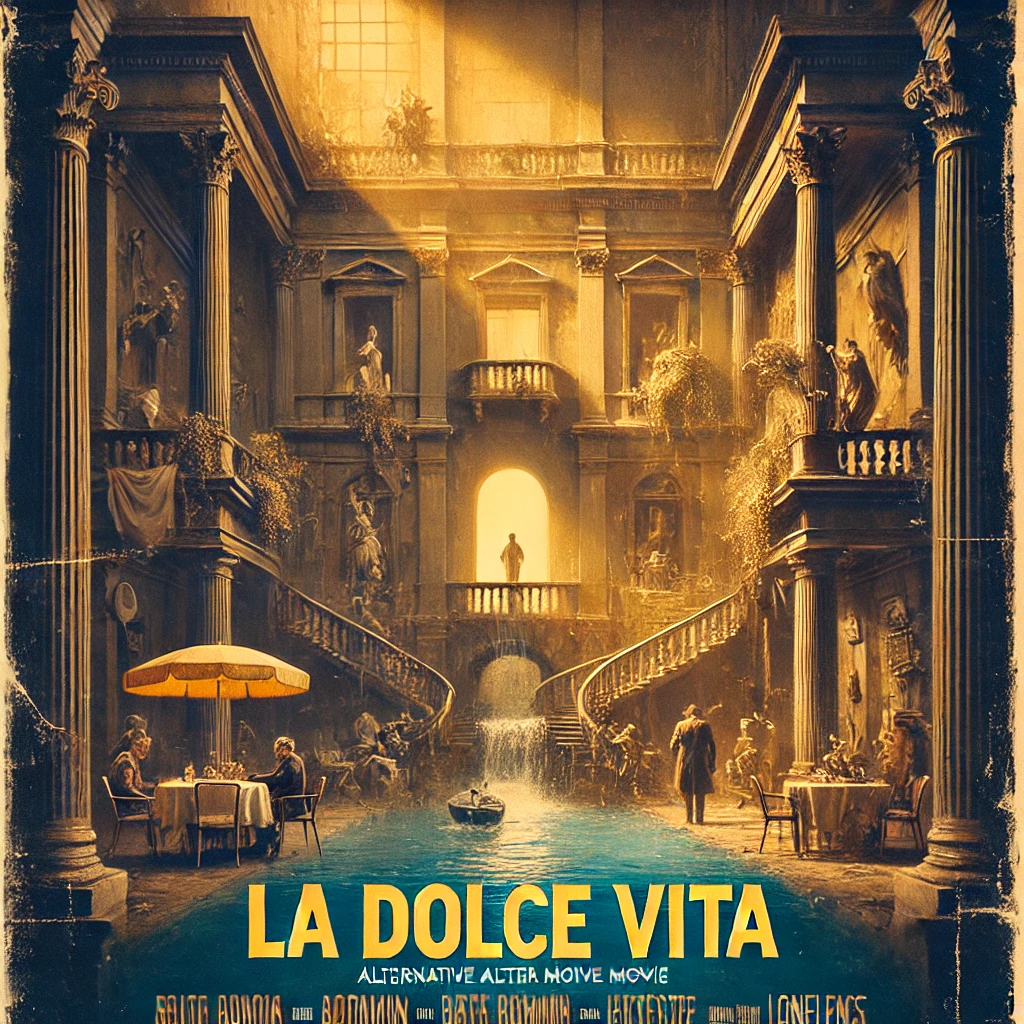
To Watch Rome Drown in Beauty: La Dolce Vita (1960)
Fellini’s masterpiece is a swirl of glamour and emptiness, a city humming with life yet drowning in its own illusions. The image of Anita Ekberg wading into the Trevi Fountain is burned into the collective memory, but the real heart of La Dolce Vita is Marcello, trapped between desire and disgust. A film like a fever dream, where joy and decay are inseparable.
(Available on BBC iPlayer in some regions.)
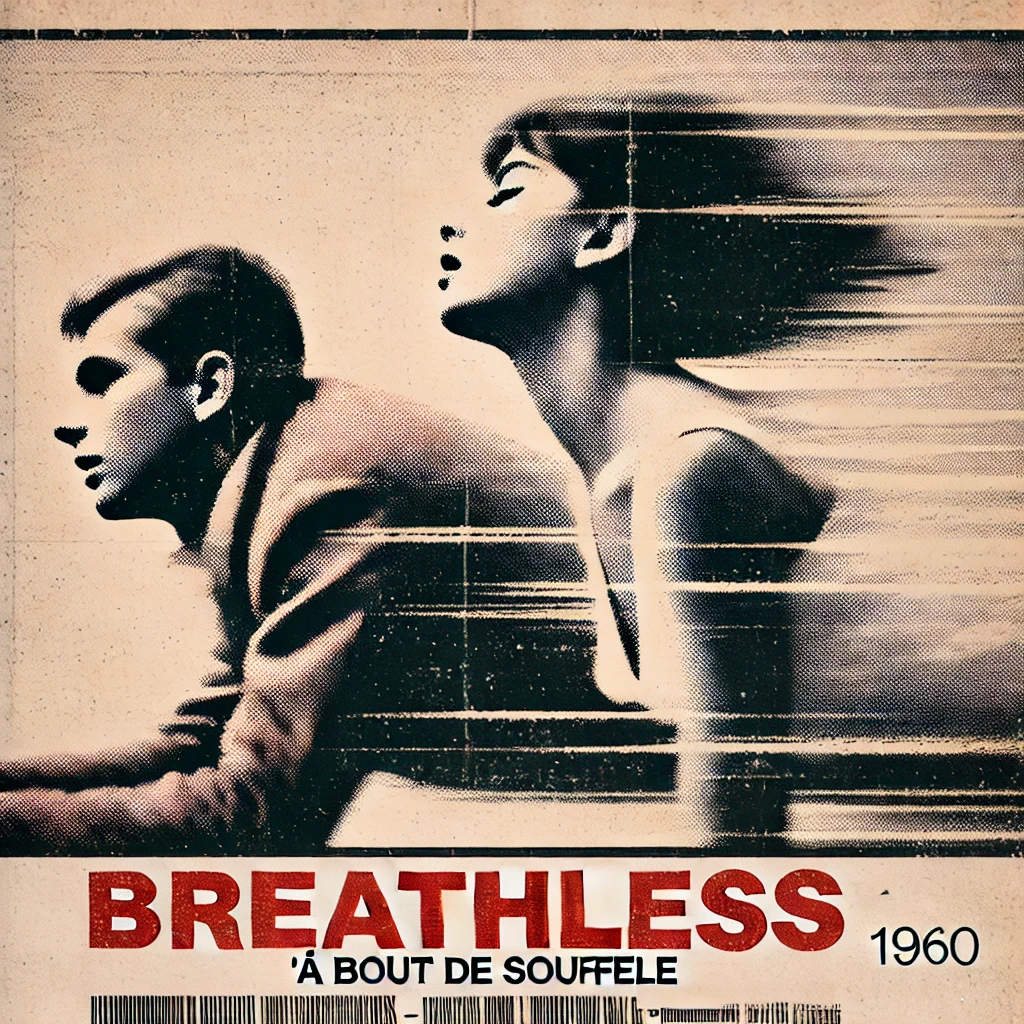
To Feel Paris Breathe: Breathless (1960)
There was cinema before Breathless, and there was cinema after. Godard shattered the rules and rewrote them in real time. The camera dances, the editing jolts, and Jean-Paul Belmondo smirks his way through a story that isn’t about crime so much as it is about existing in a moment. It’s not a film; it’s an attitude.
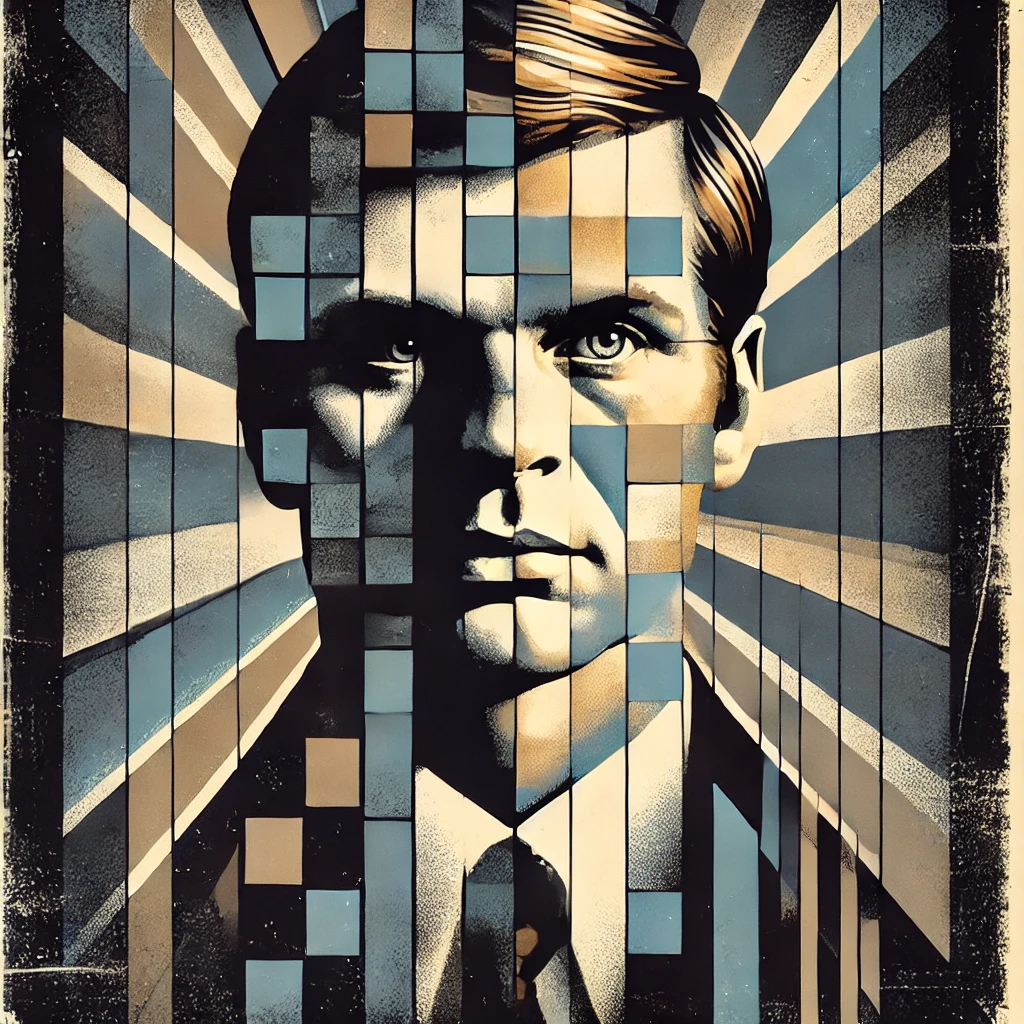
To Understand Power and Its Masks: The Conformist (1970)
Bertolucci’s The Conformist is a labyrinth of shadows and mirrors, a film where politics and personal repression are inseparable. Every frame is a painting. Every movement whispers something deeper. Watch it for its intoxicating beauty, stay for the way it leaves you uneasy, questioning how much of yourself you’ve sacrificed to fit in.
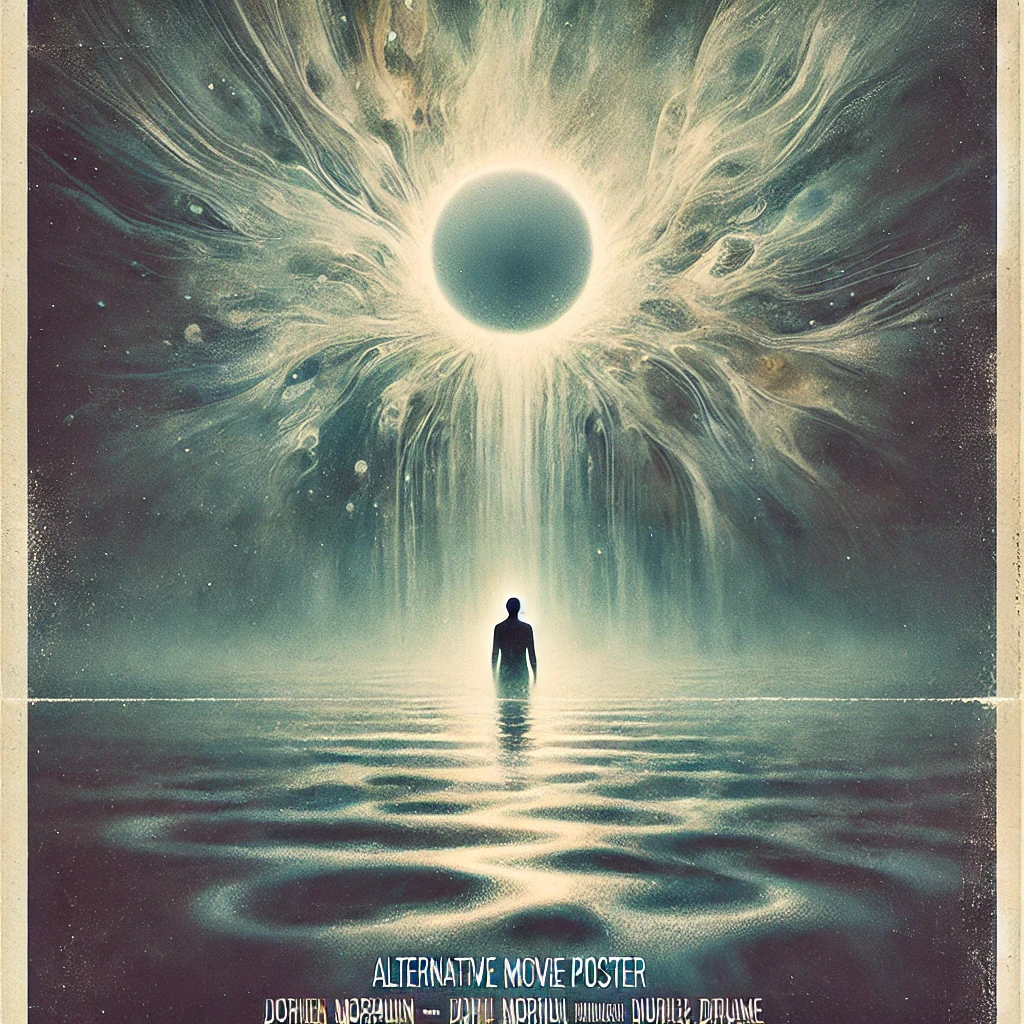
To Get Lost in Thought and Time: Solaris (1972)
Hollywood gave us 2001: A Space Odyssey—cold, precise, a monument to human evolution. Tarkovsky gave us Solaris—poetic, aching, a meditation on memory and loss. This is sci-fi that cares less about the universe than about the ghosts we carry within us. A slow immersion into the unconscious mind.
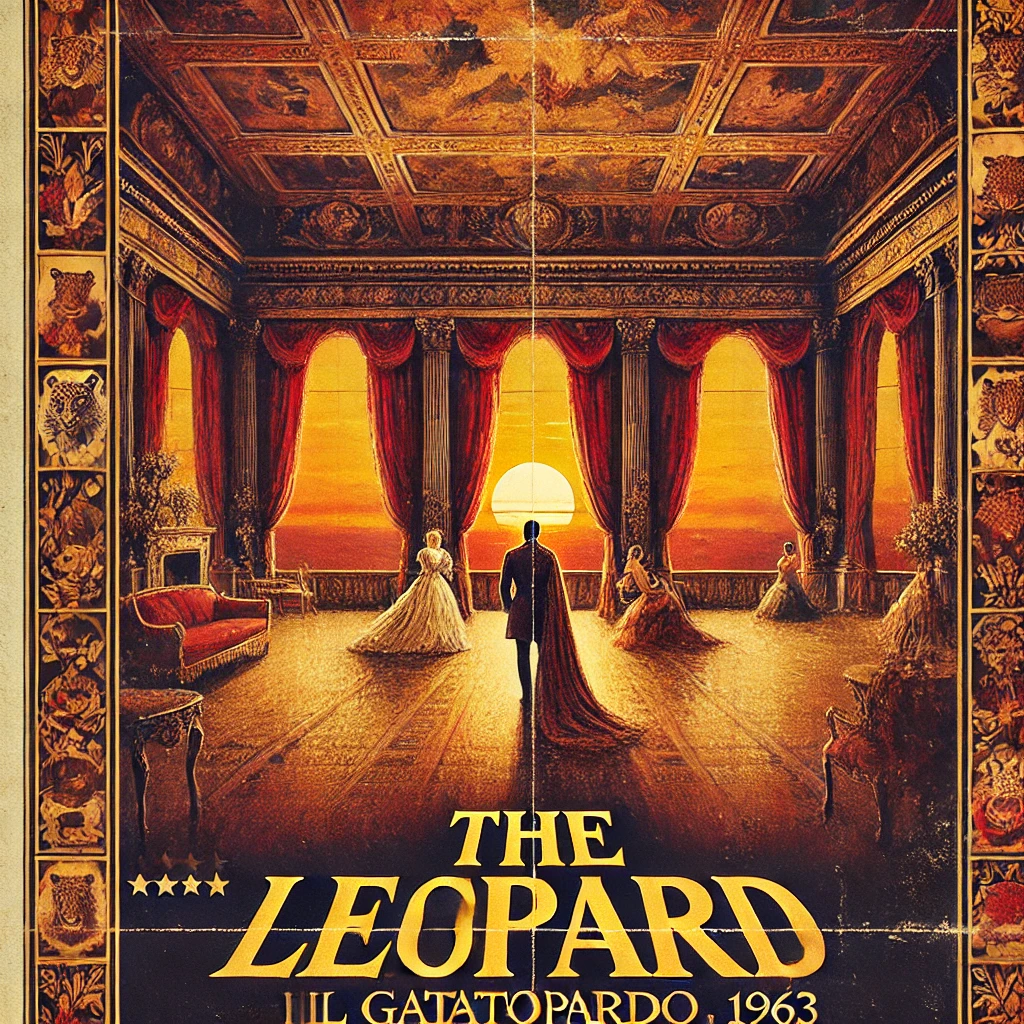
To Witness the End of an Era: The Leopard (1963)
Time moves, aristocracies crumble, and some men watch it all slip away in silence. The Leopard is Visconti’s elegy to a dying world—one of ballrooms and candlelight, where the old guard dances its final waltz. Few films capture history with such grace, such quiet devastation.
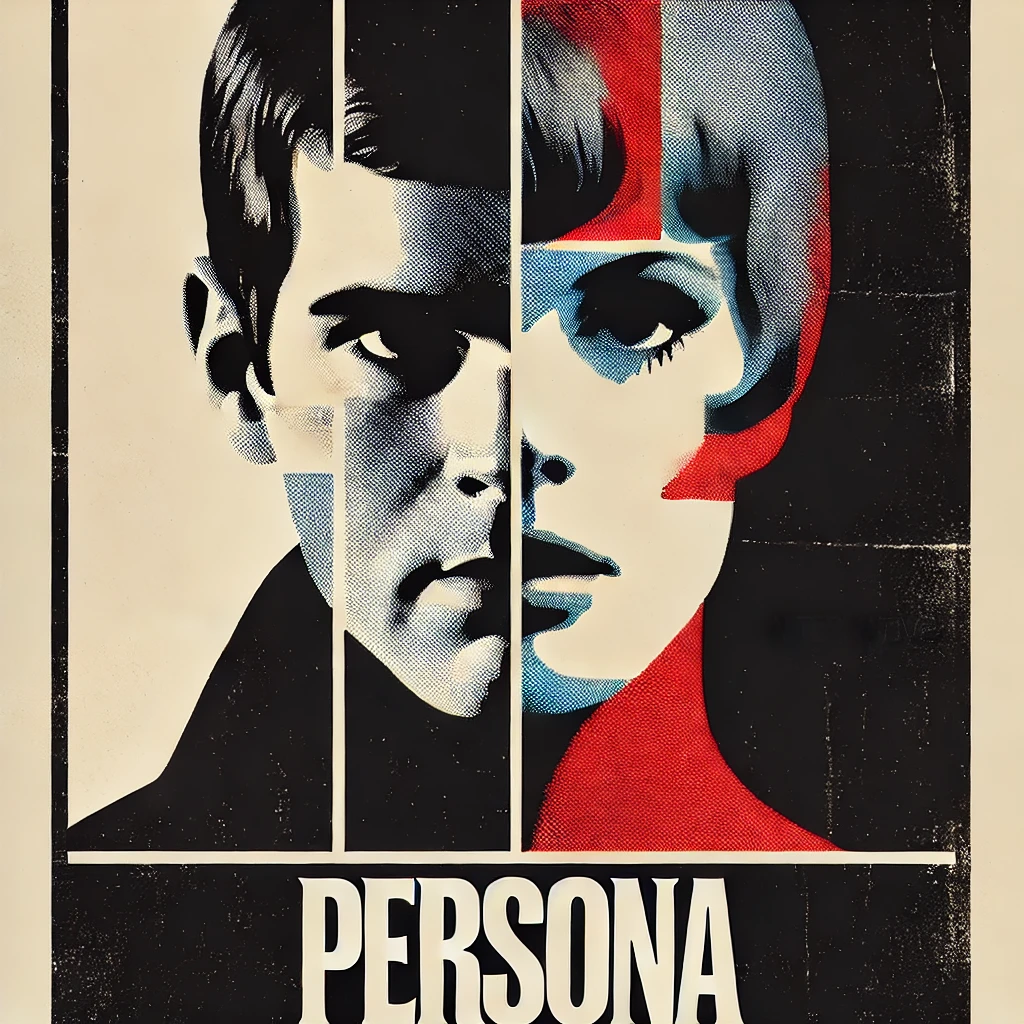
To Step Inside a Mind Unraveling: Persona (1966)
There are films that tell stories, and then there are films that strip you down to the bone. Bergman’s Persona is a collision of identity, silence, and fractured selves. The screen itself cracks under the weight of its own questions. You don’t just watch Persona—it watches you back.
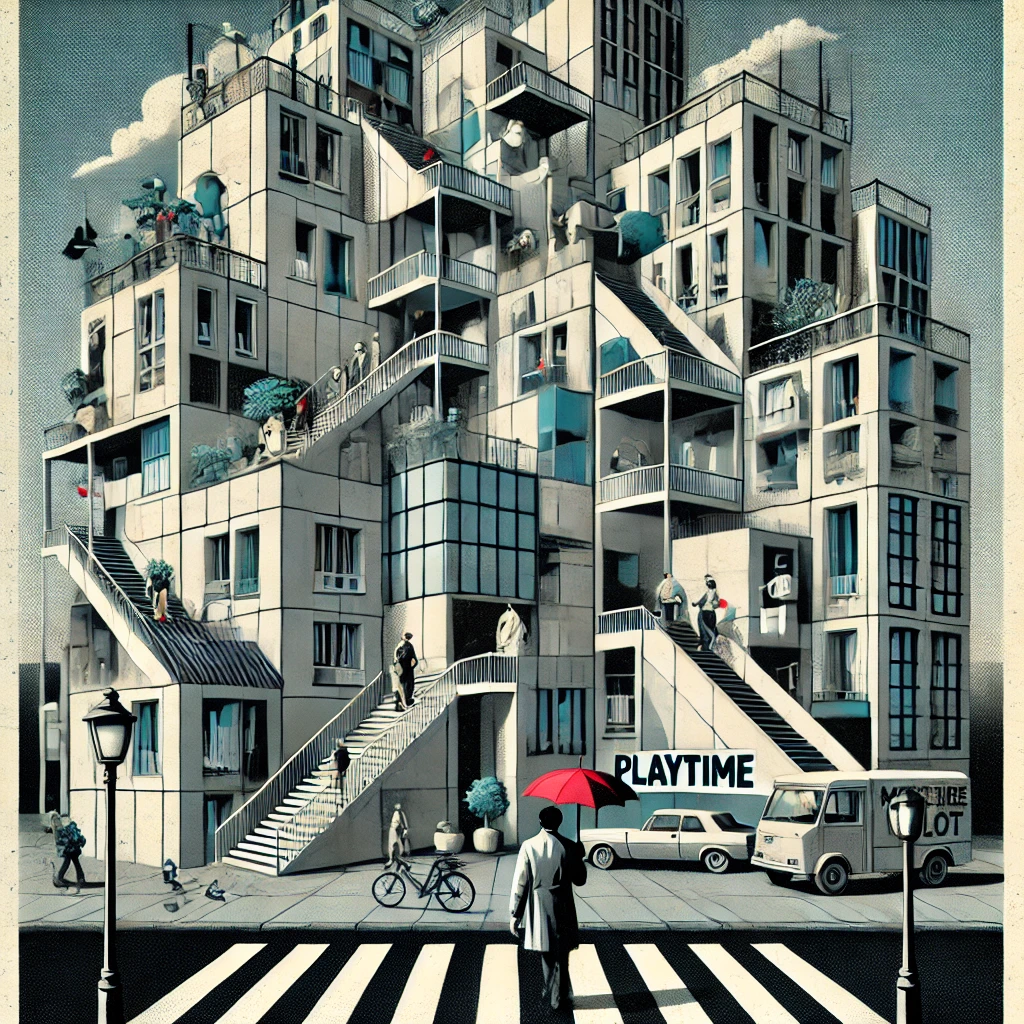
To Laugh in the Face of Modernity: Playtime (1967)
Modern life is absurd, and no one saw it clearer than Jacques Tati. In Playtime, Paris becomes a glass maze, a city of endless doors and baffling gadgets. Tati’s Monsieur Hulot stumbles through it all, reminding us that progress doesn’t always mean improvement. No film makes loneliness so charming, bureaucracy so ridiculous.
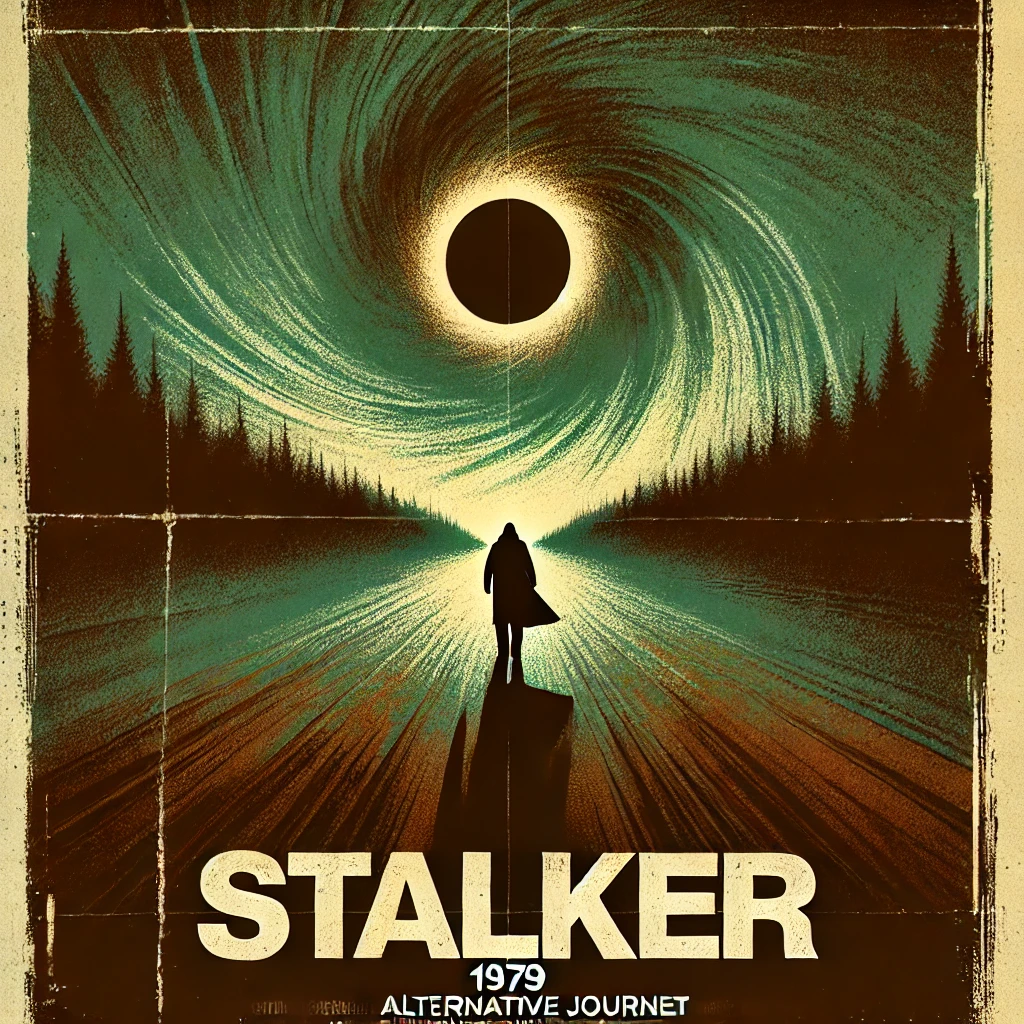
To Walk Through Ruins, Real and Imagined: Stalker (1979)
A room that grants your deepest wish. A journey through a landscape that feels alive, watching. Tarkovsky’s Stalker is a film of silence and tension, where meaning isn’t handed to you—it waits to be found. It’s about faith, about longing, about the human need to believe in something beyond ourselves.
Cinema should never be background noise. These films demand your presence, your patience, your curiosity. They reward you not with easy answers, but with a richer way of seeing the world.
Take them in. Let them linger. And if you find yourself haunted by a frame, a line, a silence—then you’ve truly watched.
Written by ai | Vera Godin
Edited by | Stanko Zeljak


