
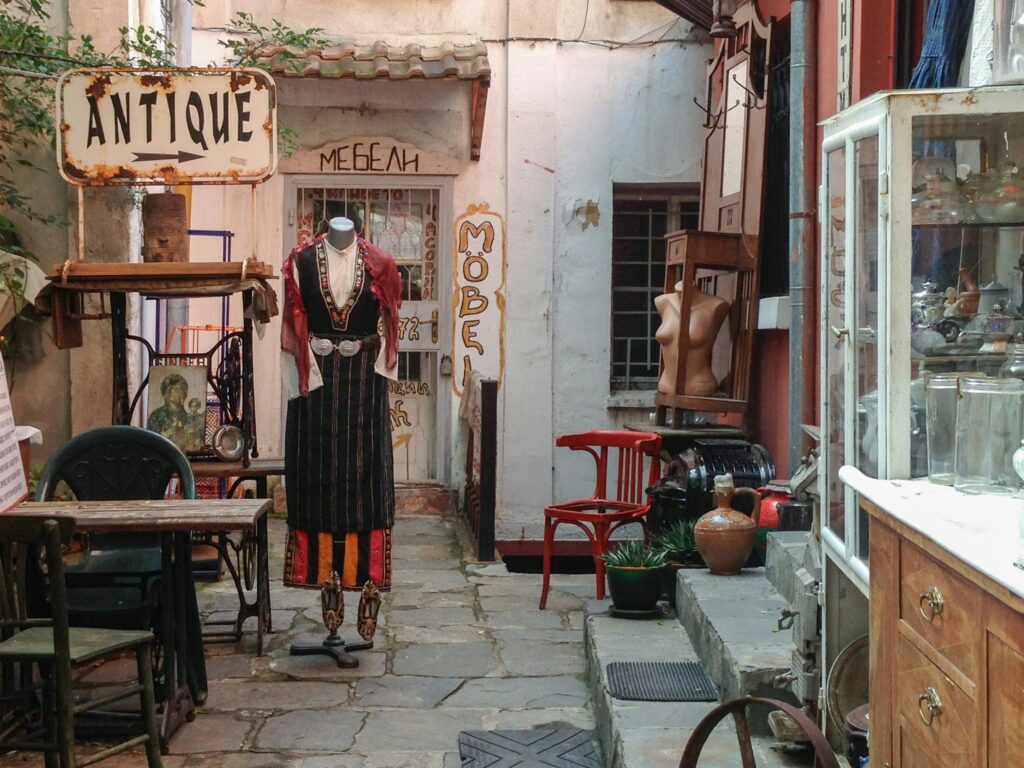

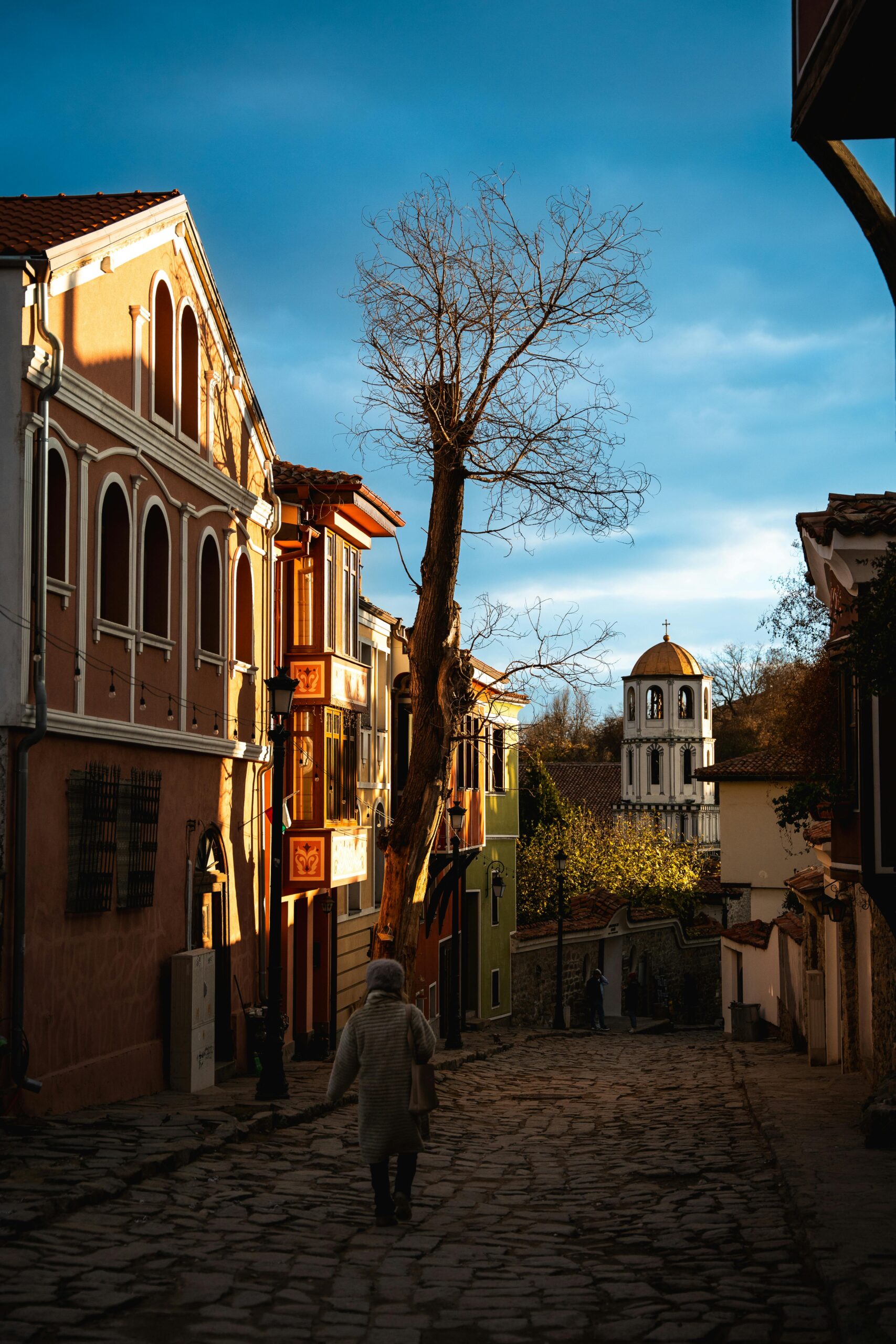
I arrived in Plovdiv by mid-morning, the air crisp and light with the freshness of spring. This city wears its history well — layers upon layers of time-stamped artistry woven into the very fabric of its streets. Old Town feels like stepping into a dream; the cobblestone paths rise and fall like whispers of antiquity, guiding my feet to colorful houses with overhanging upper stories and ornately carved wooden facades. Everything here feels vibrant, as if the past itself is alive and curious to see who’s come to visit.
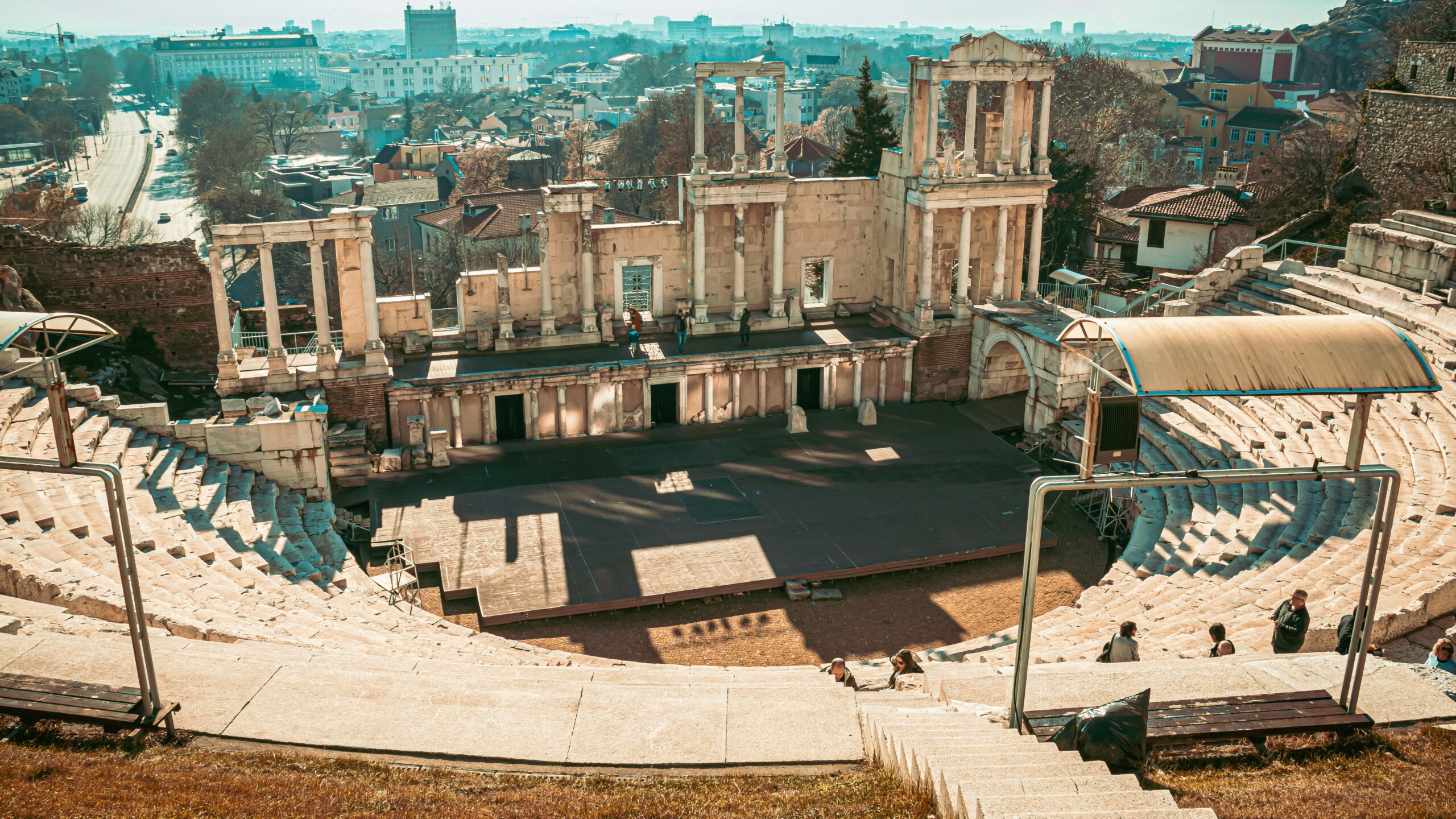
The Roman theatre of Philippopolis is both magnificent and humbling. A relic of performance and glory still standing in the city’s beating heart, its columns catch the light as though perpetually waiting for a performance to begin. I lingered there, notebook in hand, sketching details more with words than lines. I overheard a guide explaining the theatre’s acoustics to a small group of tourists — how the architecture itself lends voice to anyone who dares to speak.
Lunch found me at a small family-owned restaurant, a few tables on the street, shaded by parasols. Shopska salad, grilled trout, and rakia — a trifecta popular across the Balkans. The owner, an elderly man named Stoyan, chatted with me about his childhood in Plovdiv. His voice cracked a little when he mentioned how the city has changed, but the pride in his gaze was unmistakable.
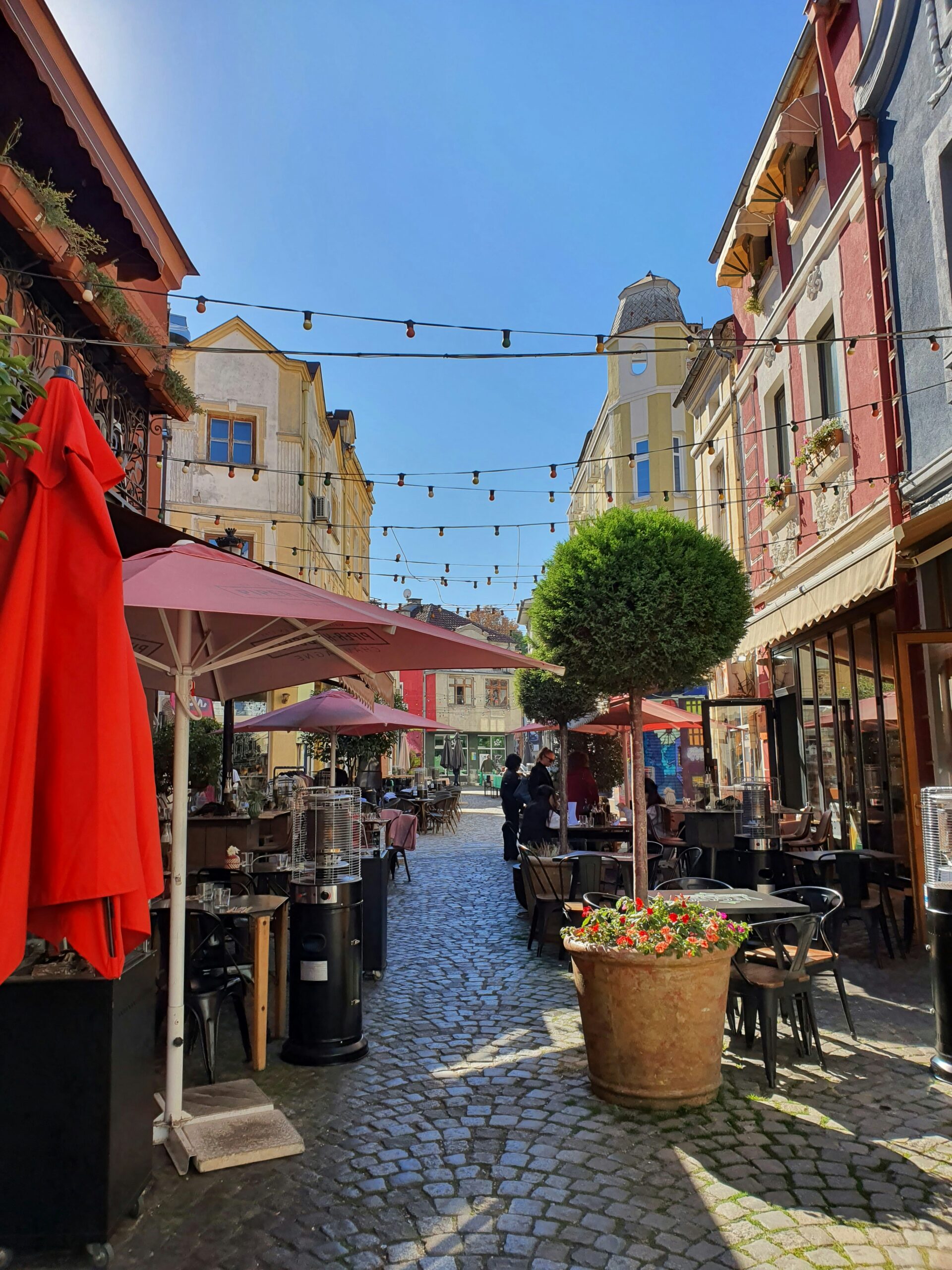
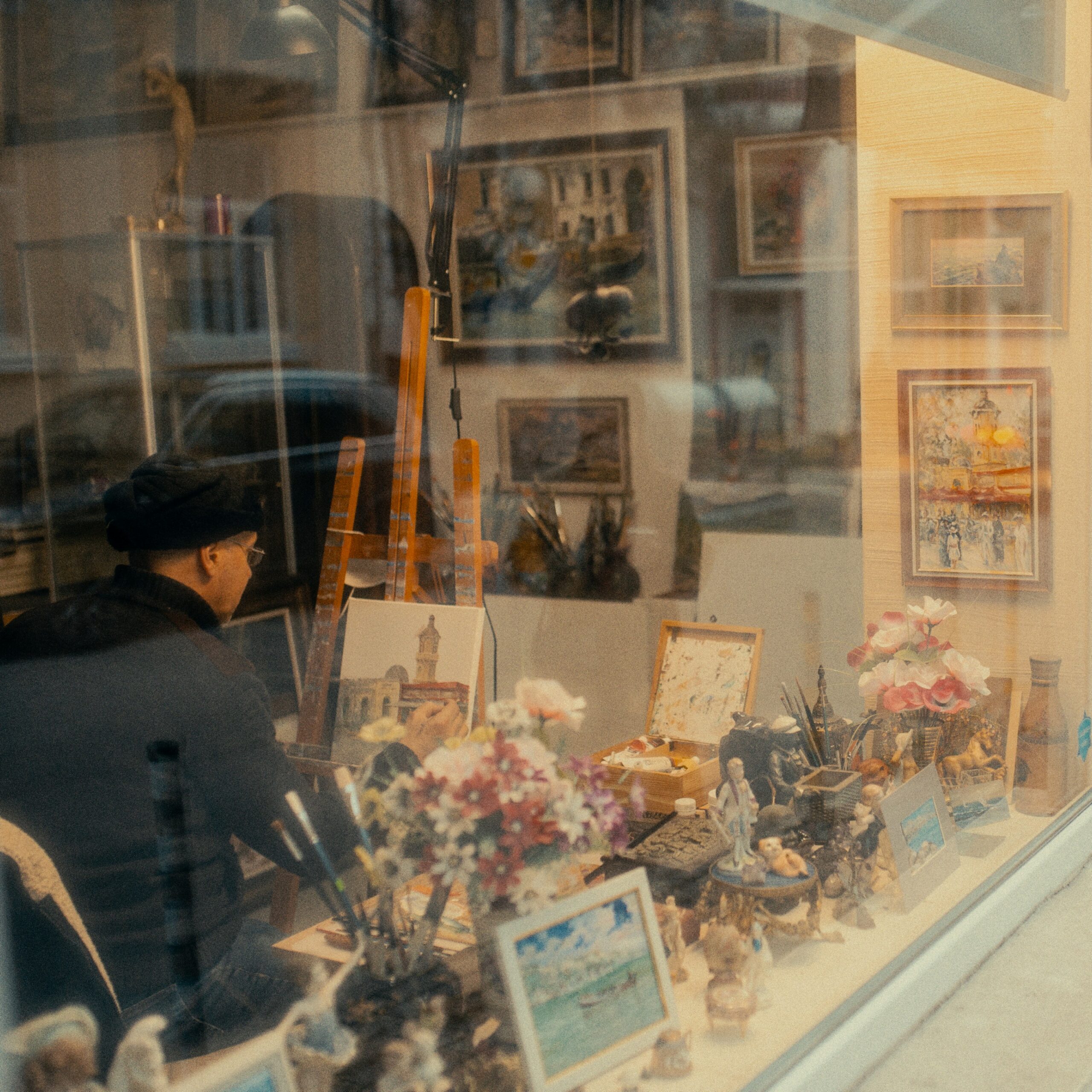
Later, I wandered into Kapana, the creative district. The street art, the indie shops, the music drifting from tiny cafés — it all feels achingly sincere. I stopped at a small café where the coffee was strong, and the homemade banitsa was something between flaky and divine. The woman who ran the place, Nadia, told me she opened it with her sister as a “refuge for dreamers.” Nearby I stumbled upon the charming scene below, feeling as if I traveled through time and went far ahead, to a world more serene and mindful. I too was mindful as I knew the weather would change by the evening, so I enjoyed the sun and the quiet all the more.

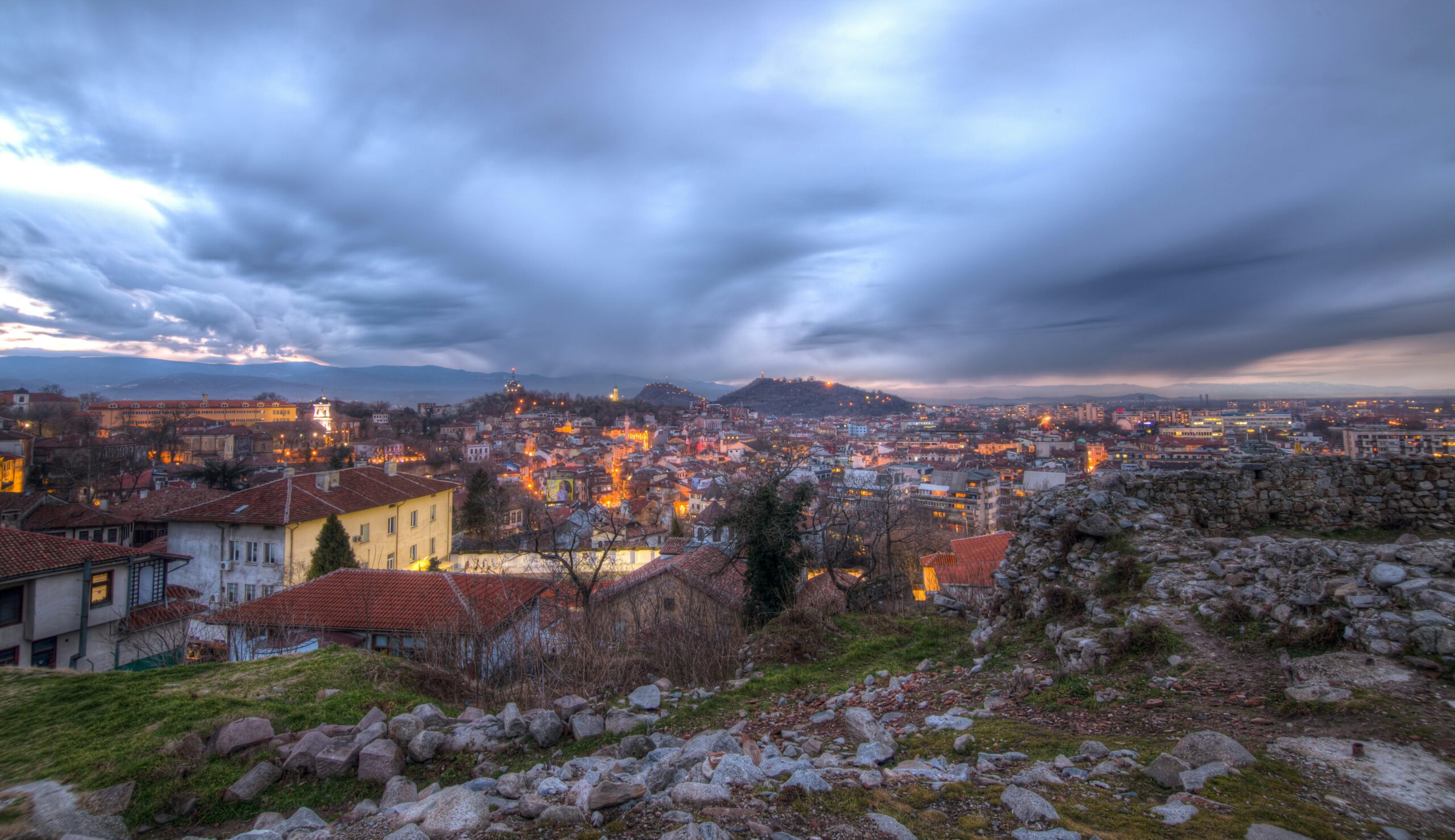
By the evening I found myself on Nebet Tepe, the ancient hilltop fortress, gazing at the city sprawled below. The lights flickered on slowly, like a painting being illuminated one brushstroke at a time.
I couldn’t help but smile at the thought that Plovdiv itself is a form of art, painted by every generation that’s called it home.


One Response
Oh wow, yes! More of this, please!